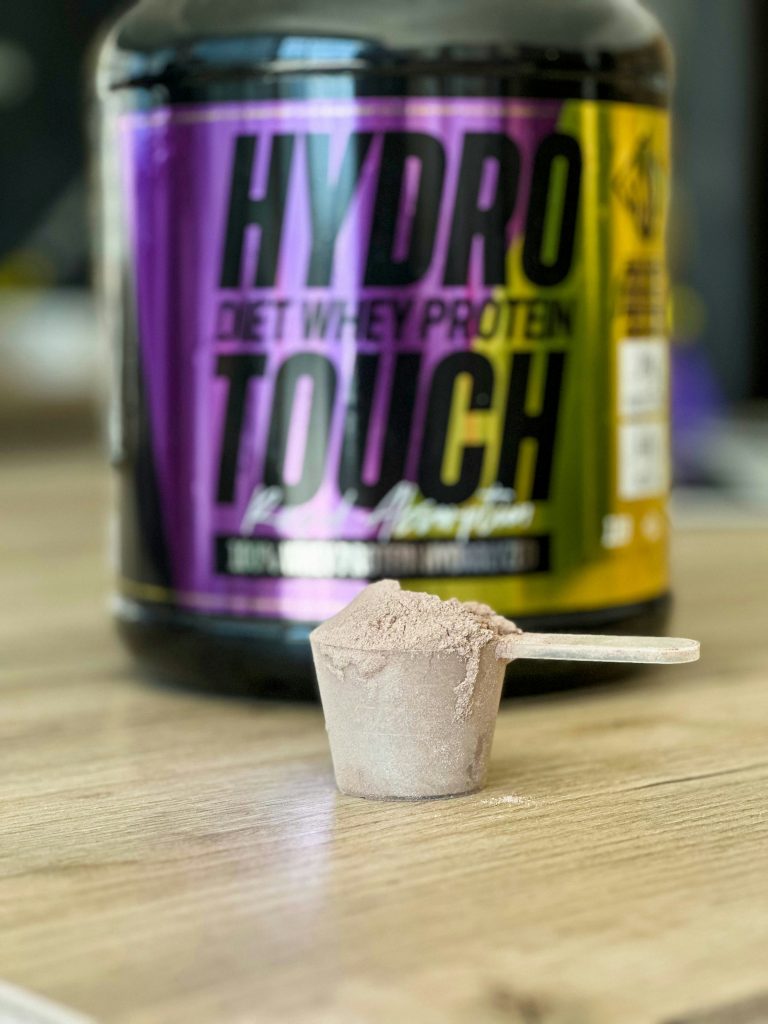
If you’re serious about fitness, recovery, and muscle growth, chances are you’ve heard about EAAs—but do you really know what they do?
Let’s break it down.
🔬 What Are EAAs?
EAA stands for Essential Amino Acids—a group of 9 amino acids that your body cannot synthesize on its own. Unlike non-essential amino acids (which your body can make), EAAs must come from your diet or through supplementation.
The 9 EAAs include:
- Histidine
- Isoleucine
- Leucine
- Lysine
- Methionine
- Phenylalanine
- Threonine
- Tryptophan
- Valine
They’re called “essential” for a reason—they’re vital for:
- Building and repairing muscle tissue
- Producing enzymes and hormones
- Supporting your immune system
- Enhancing nutrient absorption
- Fueling energy production during intense workouts
🥤 Why Should You Take an EAA Supplement?
While food sources like eggs, meat, fish, and dairy provide EAAs, an EAA supplement*is a fast-absorbing, low-calorie option ideal for:
- Intra-workout fuel: Keeps muscles nourished during training.
- Faster recovery: Reduces muscle soreness post-workout.
- Muscle preservation: Especially helpful during fat loss or intermittent fasting.
- Vegan/vegetarian diets: Many plant proteins lack one or more EAAs—supplements can bridge that gap.
💪 Are EAAs a Type of Pre-Workout?
Not exactly—EAAs are not stimulants like traditional pre-workouts (which contain caffeine and pump-enhancing ingredients), but they can be used as part of your pre-workout routine.
Here’s why:
- They fuel your muscles during workouts.
- They help prevent muscle breakdown (catabolism).
- They can boost endurance and recovery when taken before or during training.
So, while they aren’t technically “pre-workouts,” EAA supplements are excellent for fueling your workout sessions, especially in fasted states or low-calorie training phases.
🆚 EAA vs BCAA: What’s the Difference?
You might wonder, “I already take BCAAs. Why switch?”
BCAAs (Branched Chain Amino Acids)*contain only 3 of the 9 EAAs: leucine, isoleucine, and valine. These help with endurance and muscle repair—but they don’t complete the puzzle.
Without all 9 EAAs, your body can’t build new muscle effectively.
✅ TL;DR: EAAs give you everything BCAAs do—plus more.
🧪 When and How to Take EAAs
- Best time: During or right after your workout.
- Dosage: 5–10 grams per serving, depending on your training intensity.
- Stacking tip: Combine with electrolytes or creatine for enhanced performance.
⚠️ What to Look for in an EAA Supplement
- All 9 EAAs*(not just BCAAs)
- Transparent label*with dosage per amino acid
- No added sugar or unnecessary fillers
- Third-party tested*for purity
🧍 Who Should Use EAAs?
- Athletes and bodybuilders
- Intermittent fasters
- Anyone on a low-protein diet
- Vegans/vegetarians
- Those focused on recovery and endurance
🧠 Final Thoughts
Your muscles don’t grow just because you lift weights—they grow because you recover and fuel them right.
EAAs are more than a trend—they’re a tool*to help you push harder, recover faster, and reach your fitness goals smarter.